



- Find the best broker for your trading needs
- Compare spreads, fees, and platforms
- Read in-depth reviews and analysis

Page Navigation


Select a different country or region to view content tailored to your location.

FxScouts helps traders across the globe by meticulously testing and reviewing online brokers and providing Forex education and market analysis. Our partners compensate us through paid advertising. While partners may pay to provide offers or be featured, they cannot pay to alter our recommendations, advice, ratings, or any other content. Our content and research teams do not participate in any advertising planning nor are they permitted access to advertising campaign data. For more detailed information click this link.


Chris manages the relationships with our partners to provide our users with the best Forex trading experience possible. Chris has 15+ years of experience in research, editorial and design for political and financial publications. His background has given him a deep understanding of international financial markets and the geopolitics that affect them.
Leverage is one of the most powerful tools available to Forex traders. It enables traders to control large positions with relatively small capital outlay, potentially amplifying both profits and losses. For Tanzanian traders, there is no domestic regulator overseeing retail forex, so access to high-leverage accounts is generally available through international brokers regulated by ASIC, CySEC, FCA, or FSCA (South Africa). While these brokers offer generous leverage, traders must approach with caution due to varying levels of investor protection in offshore environments.
This guide explains how leverage works, its regulation by trusted international authorities, and how to identify the safest high-leverage brokers for Tanzanian traders. We also highlight ten top-rated brokers accepting Tanzanian clients in 2026, comparing their leverage policies, trading costs, and regulatory standing.
Trusted. Transparent. Tested.
For over a decade, we’ve set the standard in forex broker reviews—collecting thousands of data points yearly to deliver unbiased, expert-backed insights.
Skip the trial and error! Below, you’ll find the best forex brokers for Tanzanian traders for 2026—thoroughly tested, verified, and ranked, so you can trade with confidence.

When choosing a high-leverage broker, regulation is just as important as the leverage offered. Since Tanzania does not regulate retail forex trading locally, Tanzanian traders should seek brokers licensed by trusted international regulators such as ASIC, CySEC, FCA, or FSCA (South Africa).
Here’s why international regulation matters:
Tip: High leverage should never replace sound strategy. Always confirm a broker’s license with a top-tier regulator to ensure transparent and safe trading conditions.
Swipe to scroll
Broker | Visit Broker | EUR/USD - Standard Spread This is the spread on EUR/USD using the account with the smallest deposit requirements. | Trading Cost - Standard Account Total trading cost at the time of last update, for 1 lot of EUR/USD using the account with the lowest minimum deposit. Includes spread and commission. | International Regulators | Compare | ||||
|---|---|---|---|---|---|---|---|---|---|
 | Unlimited:1 | USD 3 | 0.70 pips | USD 7 | B.V.I FSC, CMA, FSC, FSCA, FSA-Seychelles | ||||
 | 500:1 | USD 200 | 0.10 pips | USD 8 | ASIC, CySEC, SCB, FSA-Seychelles | ||||
 | 1000:1 | USD 0 | 1.00 pips | USD 10 | CySEC, DFSA, FCA, FSC, FSCA, FSA-Seychelles | ||||
 | 400:1 | USD 0 | 1.00 pips | USD 10 | ASIC, BaFin, CMA, CySEC, FCA | ||||
 | 1000:1 | USD 10 | 1.70 pips | USD 17 | BaFin, CySEC | ||||
 | 400:1 | USD 100 | 0.90 pips | USD 9 | ASIC, CBI, CySEC, FRSA, FSCA | ||||
 | 1000:1 | USD 5 | 0.60 pips | USD 6 | ASIC, CySEC, FSC | ||||
 | 500:1 | USD 0 | 0.70 pips | USD 7 | CySEC, DFSA, FCA, FSC, KNF | ||||
 | 500:1 | USD 100 | 0.00 pips | USD 6 | CySEC, FCA, FSCA, LFSA, FSA-Seychelles |








Select another broker to another broker to compare features, fees, and platforms side by side.
Find Your Ideal Forex Broker
Select another broker to another broker to compare features, fees, and platforms side by side.
0.1 pips
CMA, FSA-Seychelles, FSC, B.V.I FSC, FSCA
USD 3
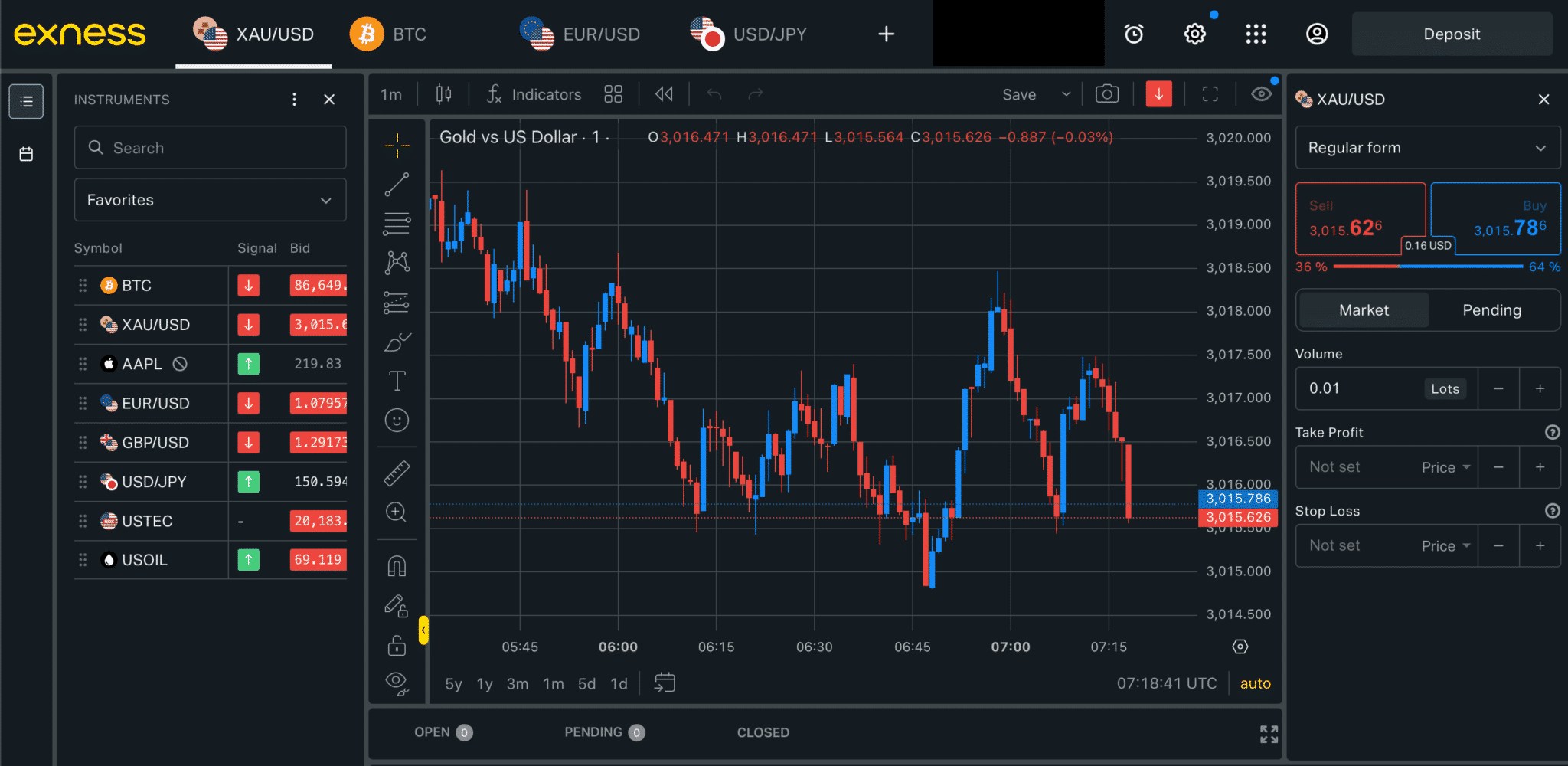
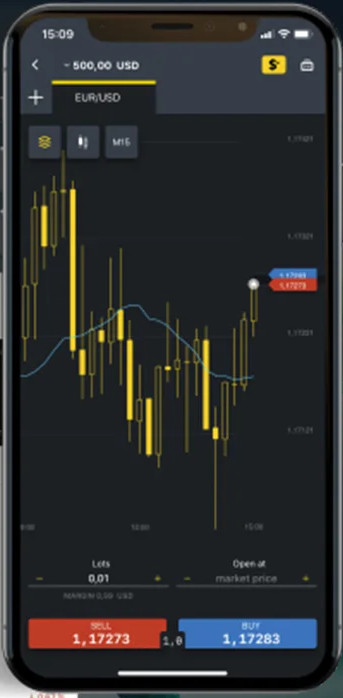
Exness Terminal, MT5, MT4
Unlimited:1
Exness offers up to 1:unlimited leverage on Standard and Pro accounts after meeting volume thresholds, ideal for experienced risk-tolerant traders.
Exness supports automatic withdrawals to Tanzanian payment systems, typically processed in seconds without manual verification.
Servers are built to handle spikes around news releases, with near-zero slippage under normal conditions.
Traders get live account stats, including margin level, spread, equity, and leverage status, in a simplified view.
Traders must complete at least 10 orders and 5 standard lots to unlock unlimited leverage.
Unlike some brokers, Exness does not offer deposit or welcome bonuses.
Exness | Best for: Traders in Tanzania seeking unlimited leverage and fast, automated withdrawals

FxScouts
 YouTube
Select another broker to another broker to compare features, fees, and platforms side by side.
0.1 pips
FSA-Seychelles, SCB, ASIC, CySEC
USD 200
TradingView, cTrader, MT5, MT4
500:1
IC Markets provides direct market access with spreads as low as 0.0 pips on major pairs — perfect for scalping and day trading.
While not unlimited, IC Markets still offers high leverage for margin efficiency and larger exposure.
Average order execution time is 40 ms — critical for algorithmic trading and high-frequency strategies.
All strategies are permitted, including arbitrage, news trading, and expert advisors with no delays or dealing desk.
IC Markets does not run bonus schemes, which may not appeal to low-capital traders.
Higher than average compared to beginner-friendly brokers.
IC Markets | Best for: Professional traders looking for raw spreads and high leverage (up to 1:500)
FxScouts
YouTube
Select another broker to another broker to compare features, fees, and platforms side by side.
0.0 pips
FSA-Seychelles, FSC, DFSA, FSCA, FCA, CySEC
USD 0
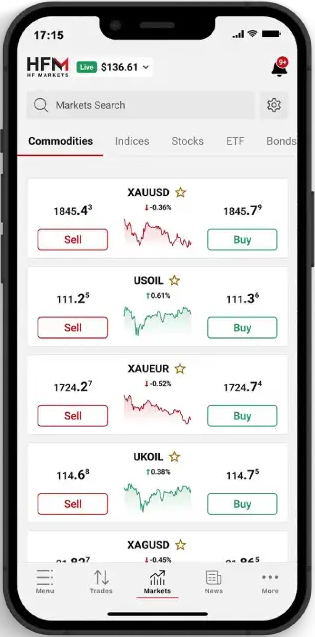
HFM Trading App, MT5, MT4
1000:1
Generous leverage options for both beginner and experienced traders based in Tanzania and Africa.
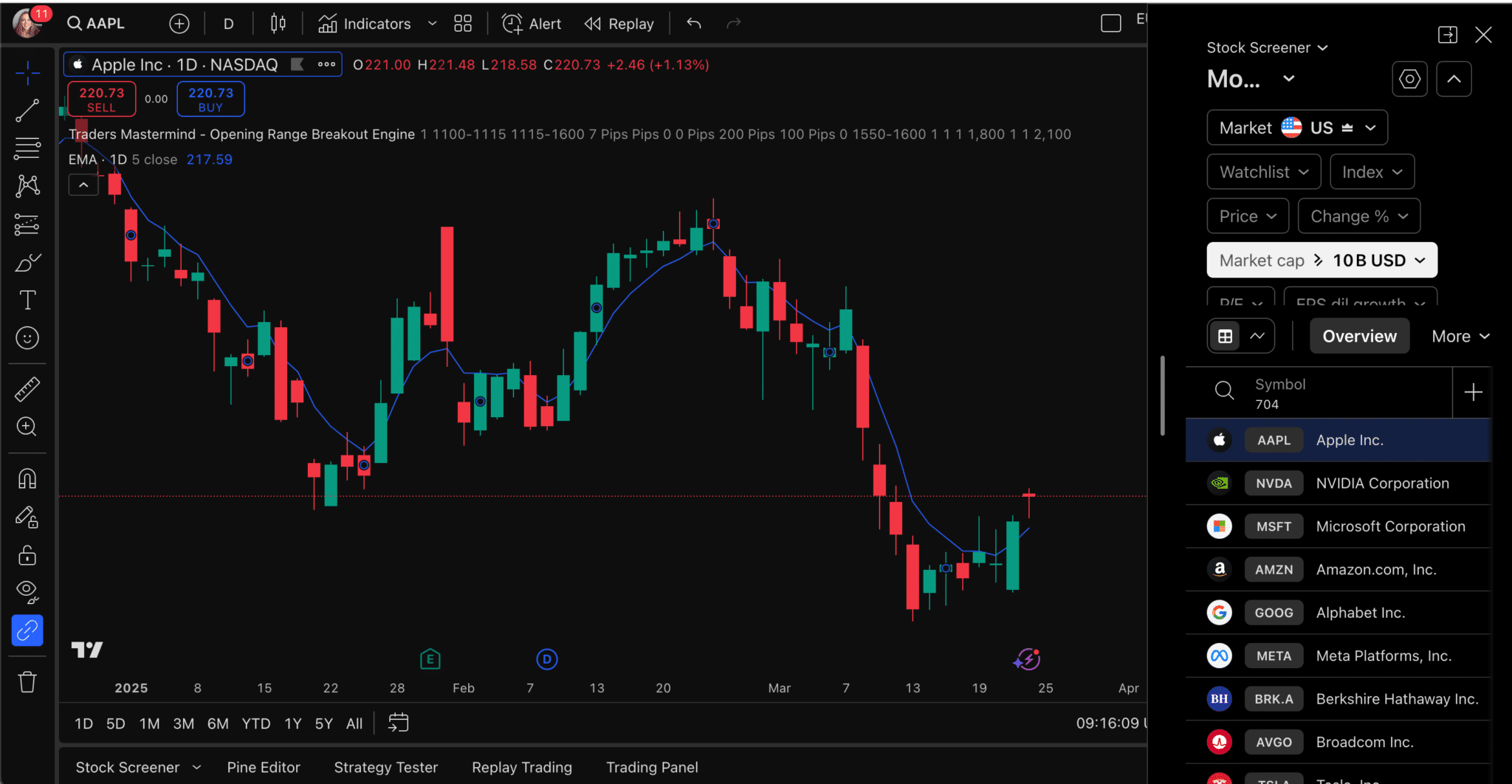
Zero spread accounts for cost efficiency, and HFCopy for beginner-friendly copy trading.
Educational programs targeted at African markets, including in Swahili, make onboarding easier for new traders.
Robust regulatory oversight for traders in emerging markets ensures better fund protection.
Spreads can widen significantly during market news — better suited to Zero account types.
Requires at least $200, which may be a barrier for some Tanzanian traders.
HFM | Best for: Traders seeking up to 1:1000 leverage and multilingual support
FxScouts
YouTube
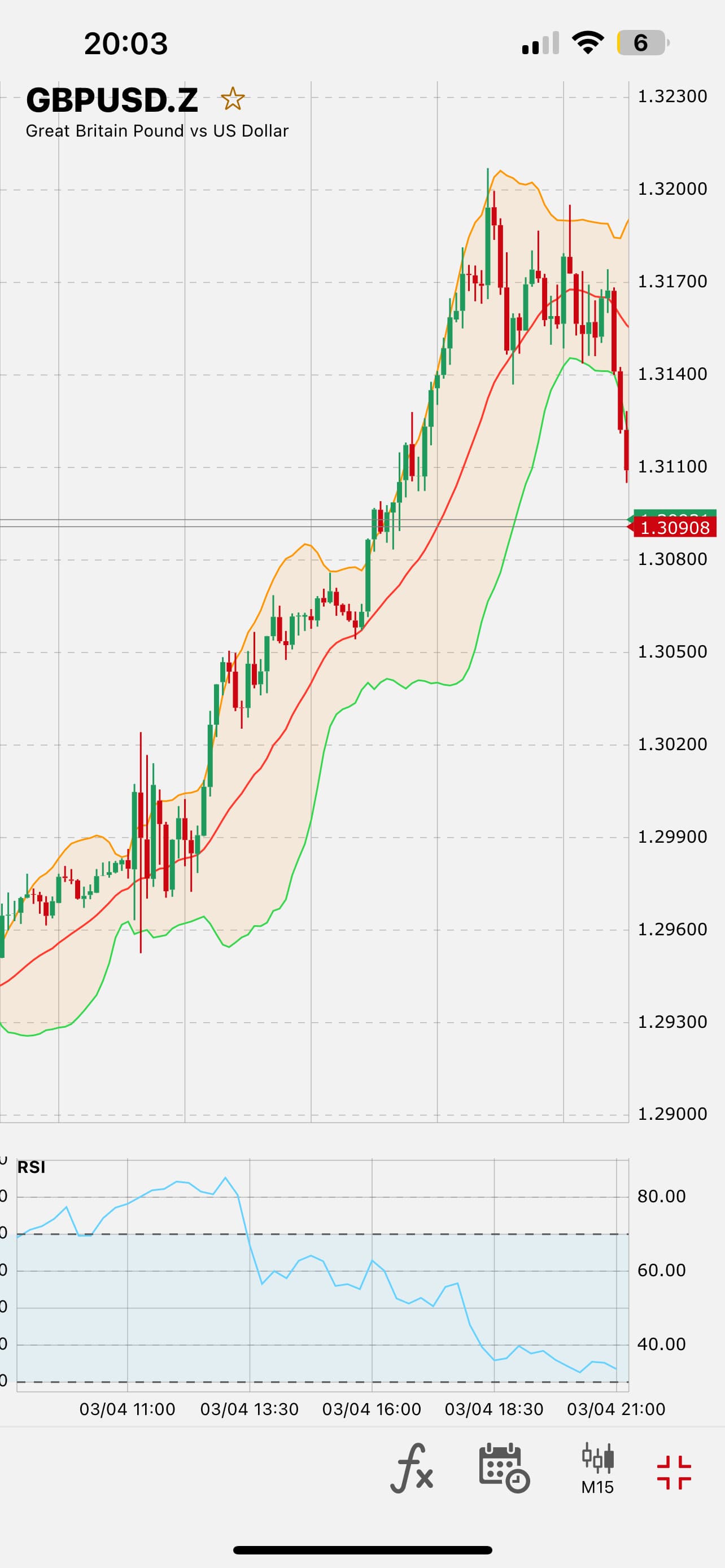
Select another broker to another broker to compare features, fees, and platforms side by side.
0 pips
CMA, BaFin, ASIC, FCA, CySEC
USD 0
Pepperstone Platform, TradingView, cTrader, MT5, MT4
400:1
High leverage with access to ultra-fast execution and low latency servers — ideal for Tanzania’s fast-growing mobile trader base.
Razor account offers 0.0 pip spreads plus $3.5 commission per lot, while Standard suits low-frequency traders with no commission.
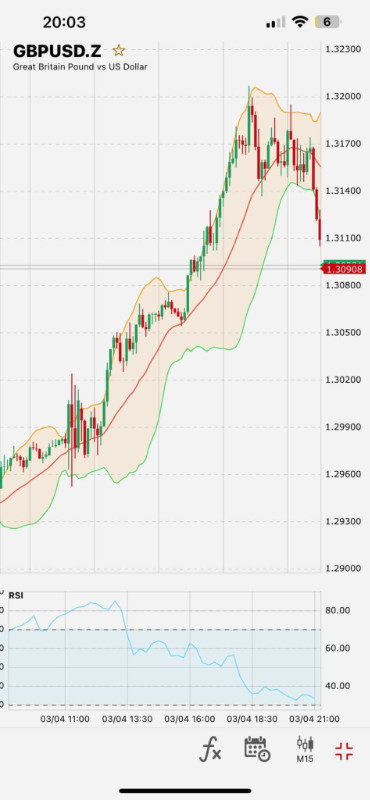
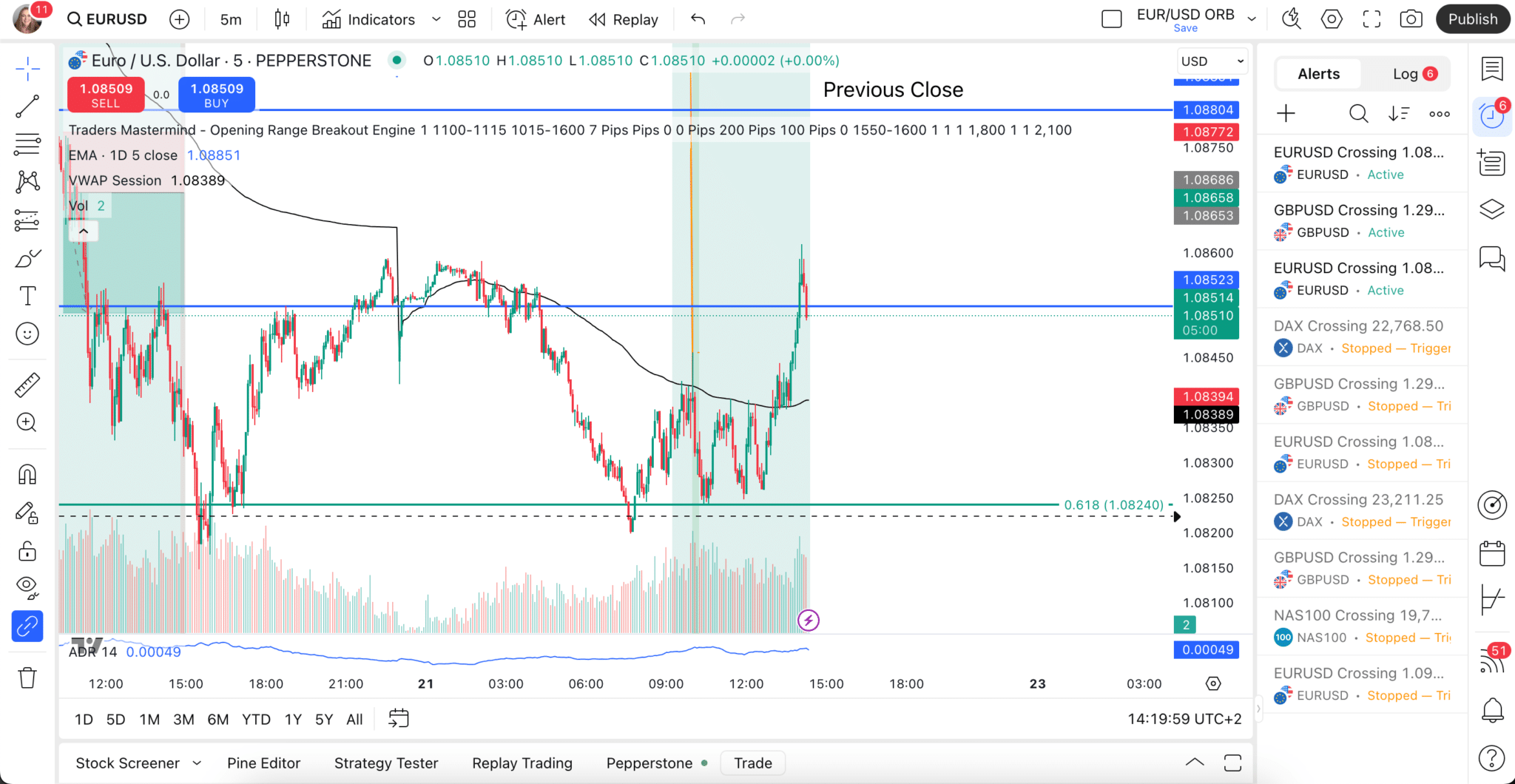
Pepperstone is among the few offering direct cTrader and TradingView trading — highly customizable for price-action focused traders.
Regulated by ASIC, FCA, and CMA (Kenya) — ideal for East African traders.
Does not compete in ultra-high leverage or bonus promotions — more suited to serious traders.
MT5, cTrader, and TradingView may overwhelm those new to forex without prior experience.
Pepperstone | Best for: Advanced traders needing up to 1:400 leverage with access to cTrader and TradingView
FxScouts
YouTube
Select another broker to another broker to compare features, fees, and platforms side by side.
0.7 pips
BaFin, CySEC
USD 10
NAGA Web App, MT5, MT4
1000:1
Through NAGA’s offshore entity, traders in Tanzania can access leverage of up to 1:1000, making it attractive for those seeking higher margin efficiency compared to strictly regulated regions.
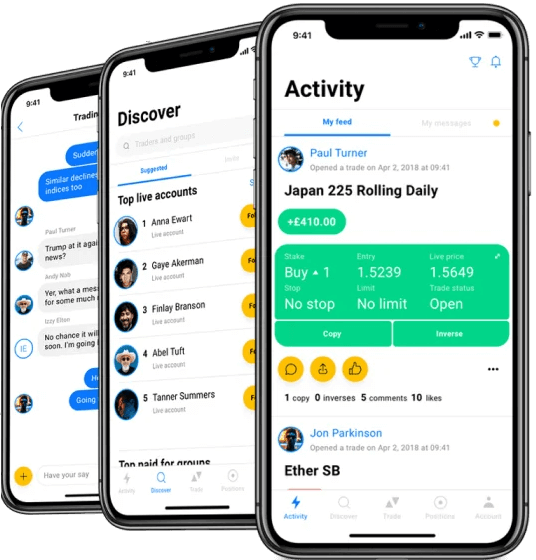
NAGA stands out with its native copy trading ecosystem, allowing users to follow, copy, and interact with top-performing traders directly from the platform.
Trade Forex, indices, stocks, commodities, ETFs, and crypto CFDs from one account using NAGA’s proprietary web and mobile platforms, alongside MT4/MT5 support.
The platform is designed to be intuitive, with social feeds, performance stats, and simplified order placement — lowering the learning curve for newer traders.
With a relatively low minimum deposit (50 USD), NAGA is accessible for traders who want high leverage without committing large upfront capital.
Compared to pure ECN brokers, NAGA’s spreads are generally wider, which may be less attractive for scalpers or very high-frequency traders.
Combining leverage up to 1:1000 with copy trading can magnify losses if followed traders underperform — active risk controls are essential.
NAGA | Best for: Tanzanian traders looking for high leverage combined with social trading, copy trading, and an easy-to-use multi-asset platform
FxScouts
YouTube
Select another broker to another broker to compare features, fees, and platforms side by side.

Leverage is a tool widely used in financial markets and involves borrowing money from your broker to increase your potential profits (and your potential losses).
Leverage enables traders to open positions much larger than their deposits. For example, a trader with TZS 1,000,000 using 100:1 leverage could control a TZS 100,000,000 trade. While this multiplies profit potential, even a small adverse market move can quickly wipe out the margin.
Tanzania does not regulate retail forex trading, and there are no domestic leverage limits. This means traders rely on offshore brokers to access the global forex market.
Most Tanzanian traders use international brokers, many of which advertise leverage of 1:1000 or higher. While firms like Exness, FBS, and IC Markets are popular for their flexible leverage, low minimum deposits, and mobile-money funding options, accounts are typically opened under offshore subsidiaries. This reduces the protections compared to stricter jurisdictions such as the UK or Australia.
Bottom line: High leverage can be attractive, but Tanzanian traders should carefully balance potential rewards against the risks of trading without local safeguards.

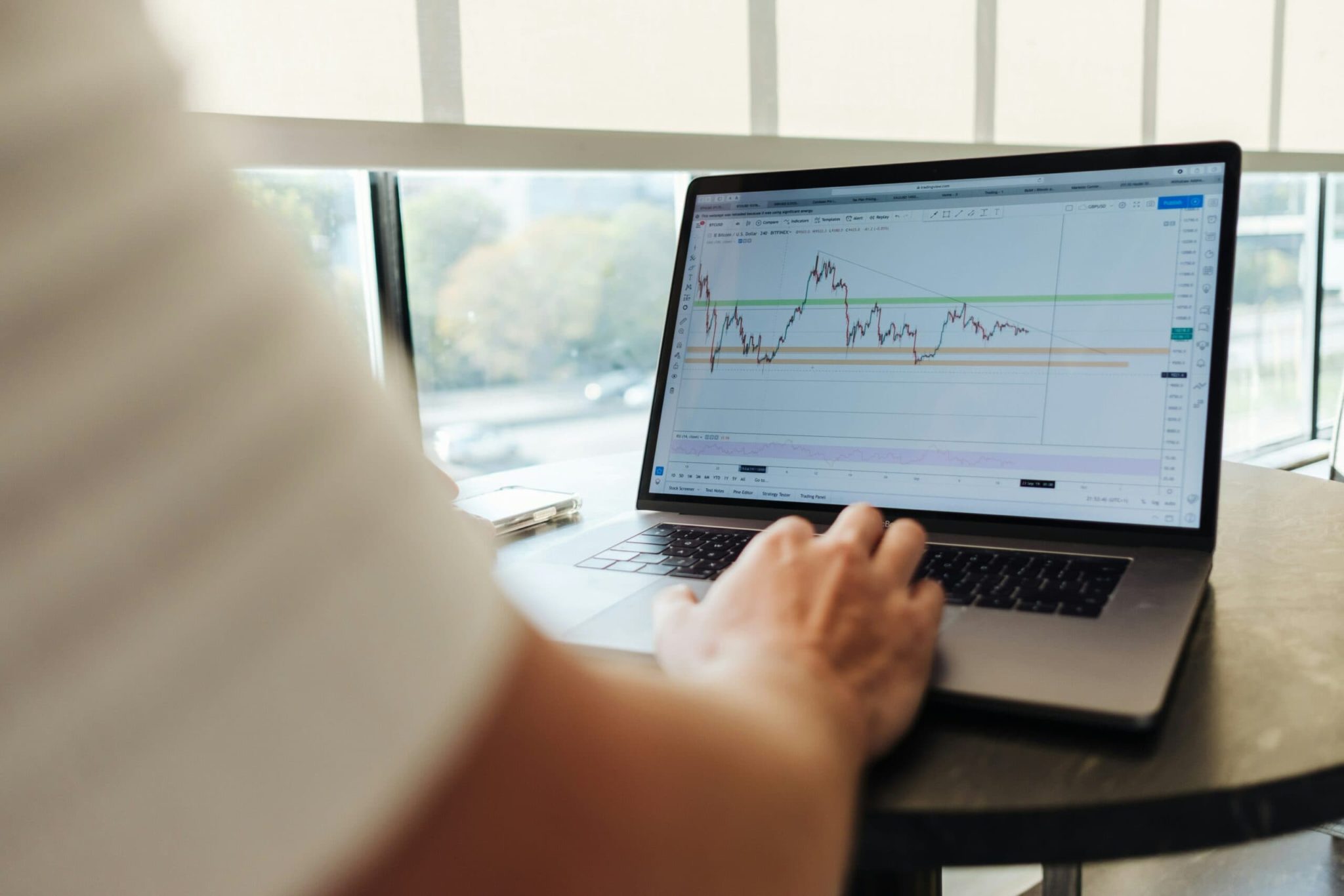
Very high levels of leverage can be risky for inexperienced retail traders. But leverage is also a useful tool for more experienced traders seeking to make a living from Forex trading.

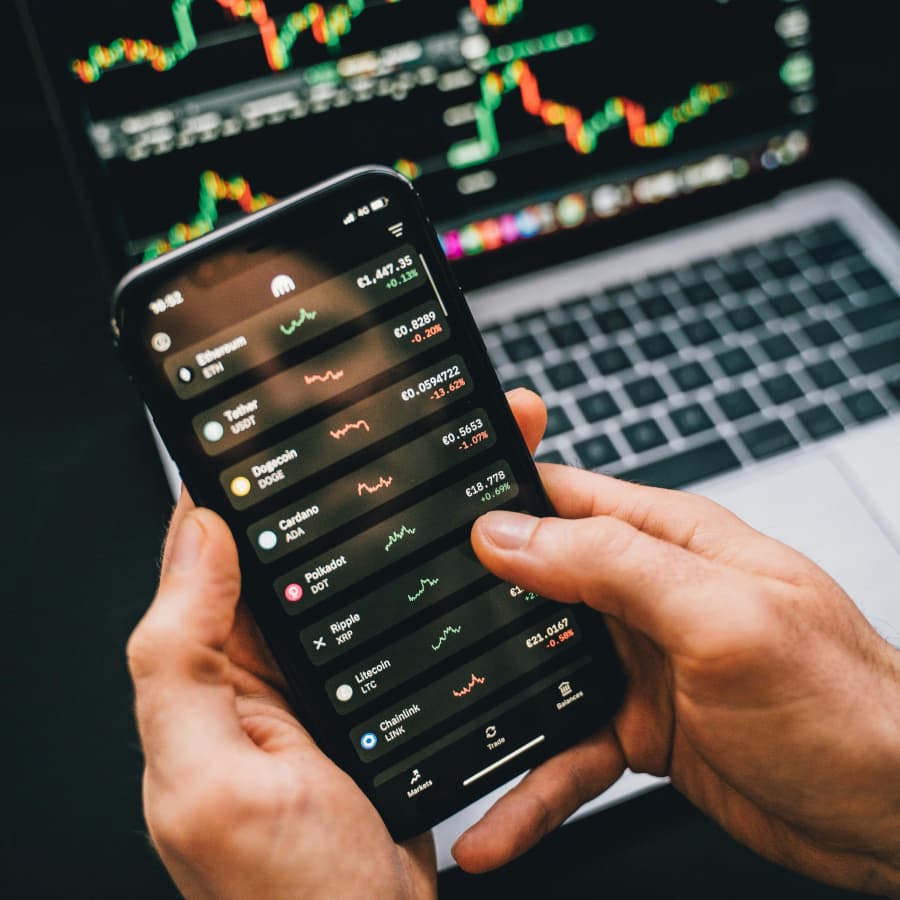
Here are answers to some of the most common questions that traders have about leverage in Forex trading.
Margin is the deposit or collateral the trader spends from their own account to access leverage from a broker. Margin is usually expressed as a percentage of the total trade size. The higher the leverage offered by your broker, the less margin (or capital) you will need. So, if you have US$10,000 and the margin is 3.33%, you can control US$300,000 worth of forex trades or three standard lots of US$100,000 each. This can also be expressed as using leverage of 1:30. If, however, you are a professional trader and have a margin of 0.2%, you can control US$5 million of forex (50 lots). This can also be expressed as using leverage of 1:500. Clearly, that gives a trader much greater potential in terms of generating profit.
Excessively high levels of leverage will materially damage your odds of success on any particular trade, according to the reputable broker IG Forex, due to the impact of transaction costs. “If you were to place trades randomly, without any particular insight or skill, and aim to take profits of the same size as your maximum stop-loss, you’d tend to win on 50% of trades and lose on 50% of trades”, the broker explains. “Transaction costs change this picture, representing a hurdle between you and a profitable trade. Another way of saying this is that costs shift the odds against you.”
IG says that at most levels of leverage this shift in odds is small. “However, when the leverage you use is so high that the margin supporting your trade is less than 10x to 20x your costs, your probability of losing begins to increase very rapidly. This is because costs eat away at the supporting margin, leading to a high probability of being closed out.
“This is easy to understand if you think about the most extreme case, where your supporting margin is exactly equal to your transaction costs on a trade. You’d place your trade, and the transaction costs would leave you with zero supporting margin for your position. This would lead to you being closed out immediately, with 100% probability, every single time – regardless of your trading strategy or how the market moves.”
Negative balance protection ensures that traders do not lose more than the balance of their account, even if the market moves quickly or “gaps” (i.e. jumps sharply higher or lower through various price points). Brokers in certain regulated markets, such as those regulated by ESMA or the FCA, are required to apply negative balance protection on a per-account basis. However, the rule does not apply to professional traders, who can still lose more than the balance of their account.
Negative balance protection applies if you trade leveraged products such as CFDs. Imagine you open an account with a deposit of US$1,000 and you enter a CFD forex trade with 1:10 leverage. In this case, you will have a position worth US$10,000. If there is market turbulence and your position suddenly drops 25%, you will suffer a US$2,500 loss, or 250% of your deposited money, due to the leverage. This means your US$1,000 balance won’t cover your losses and you would owe the broker US$1,500 if they didn’t provide negative balance protection.
Unregulated offshore brokers are not required to offer negative balance protection. When combined with high levels of leverage, this means that traders could end up owing the broker very large sums of money.
Since Tanzania does not regulate retail forex trading, most traders use offshore brokers licensed by international authorities such as ASIC, CySEC, FCA, or FSCA (South Africa). These brokers often advertise extremely high leverage—sometimes above 1:1000.
However, just because high leverage is available doesn’t mean beginners should use it. If you are still learning to trade currencies or prefer a conservative approach, a lower leverage level such as 1:5 or 1:10 is usually more appropriate. Lower leverage helps limit exposure to sharp market moves and allows traders to focus on building skills and managing risk.
Even experienced professionals rarely use the maximum leverage available. Instead, they typically apply moderate leverage, concentrating on preserving capital and generating consistent returns rather than maximising exposure on every trade.
When managed properly, leverage allows forex traders to earn money from very small movements in currencies. Currencies only tend to hit the headlines when they are subject to dramatic rises and falls, yet for most of the time currencies move in very small trading bands. These low levels of volatility mean that, on a typical day, traders would have to commit very large levels of capital to earn a reasonable income from trading forex.
Explore more resources that fellow traders find helpful! Check out these other guides to enhance your forex trading knowledge and skills. Whether you’re searching for the best brokers, educational material, or something more specific, we’ve got you covered.
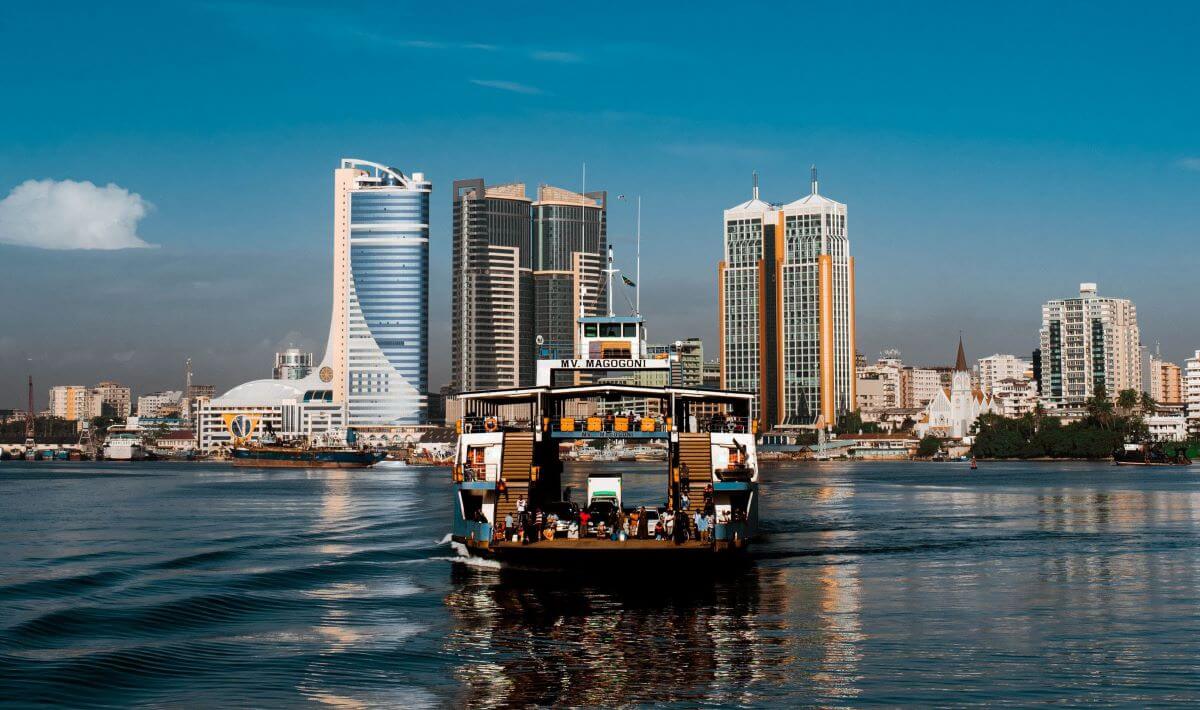
Discover the top Forex brokers in Tanzania. Compare top platforms, fees and features to make an informed trading choice.
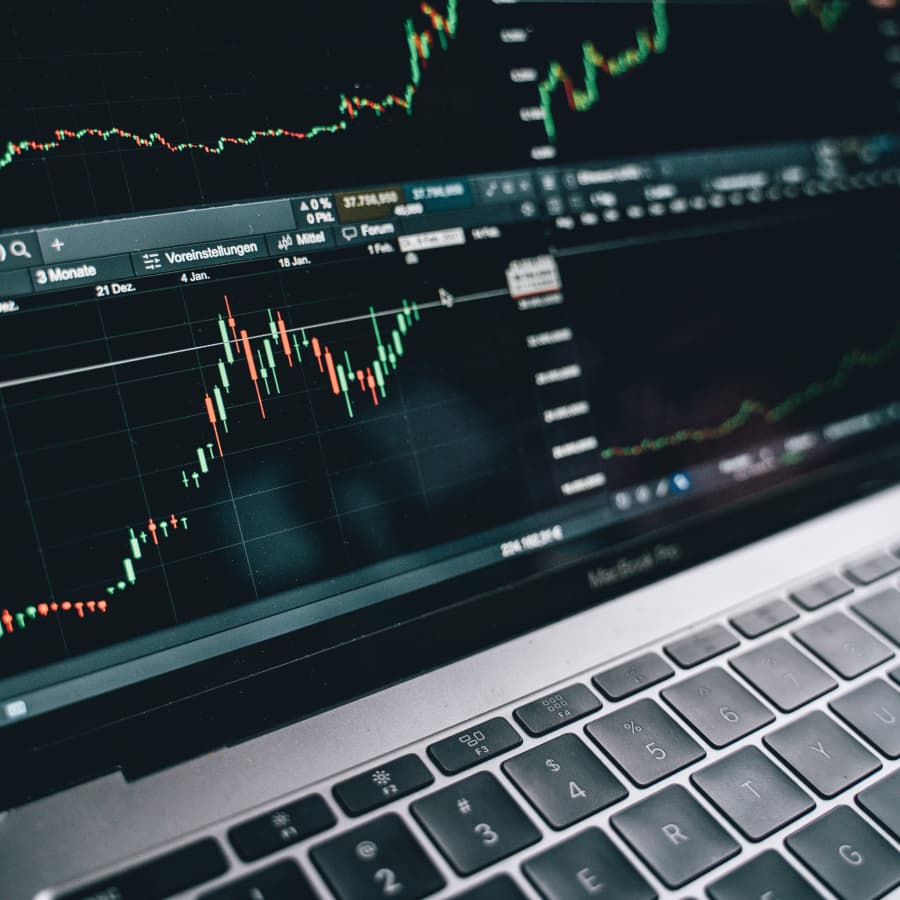
Compare the best Forex trading platforms for 2026, including MT4, MT5, cTrader, and TradingView. Find the right tools to enhance your trading experience.

What is Forex trading and how does it work? An easy-to-read guide including how to trade, and how to choose a reliable broker.
60-90% of retail traders lose money trading Forex and CFDs. You should consider whether you understand how CFDs and leveraged trading work and if you can afford the high risk of losing your money. We may receive compensation when you click on links to products we review. Please read our advertising disclosure. By using this website, you agree to our Terms of Service.
Partner Manager and Financial Writer
Chris Cammack is partner manager and senior financial writer at FxScouts, specialising in broker relations and forex market analysis. As the former Head of Content (2019–2024), he set editorial standards for all content published at FxScouts, including broker reviews, broker comparison pages and education.
With over a decade of experience in editorial management and partner relations, Chris builds and maintains our relationships with our partners to provide the best Forex trading experience for our users.
He also co-hosts the “Let’s Talk Forex” podcast with Alison Heyerdahl, where he explores trading strategies, industry news, and macroeconomic trends to help traders navigate the markets with confidence.
Head of Content

Financial Writer




Welcome to the FxScouts community! We’re thrilled to have you on board. You’ve successfully signed up for our forex newsletter, where you’ll receive expert insights, market analysis, and the latest news straight to your inbox.
Get ready to stay ahead of the curve with our regular updates designed to help you make informed trading decisions.
Happy trading!
The FxScouts Team