





- Find the best broker for your trading needs
- Compare spreads, fees, and platforms
- Read in-depth reviews and analysis

Page Navigation


Select a different country or region to view content tailored to your location.

FxScouts helps traders across the globe by meticulously testing and reviewing online brokers and providing Forex education and market analysis. Our partners compensate us through paid advertising. While partners may pay to provide offers or be featured, they cannot pay to alter our recommendations, advice, ratings, or any other content. Our content and research teams do not participate in any advertising planning nor are they permitted access to advertising campaign data. For more detailed information click this link.

<p>Alison Heyerdahl is the Head of Content at FxScouts, a Chartered Market Technician (CMT), and an experienced trader, as well as a financial writer with extensive expertise in Forex trading, broker analysis, and market research. She has reviewed 100+ brokers, publishes weekly YouTube trading videos, and co-hosts the “Let’s Talk Forex” podcast.</p>

<p>Alison Heyerdahl is the Head of Content at FxScouts, a Chartered Market Technician (CMT), and an experienced trader, as well as a financial writer with extensive expertise in Forex trading, broker analysis, and market research. She has reviewed 100+ brokers, publishes weekly YouTube trading videos, and co-hosts the “Let’s Talk Forex” podcast.</p>
Chris manages the relationships with our partners to provide our users with the best Forex trading experience possible. Chris has 15+ years of experience in research, editorial and design for political and financial publications. His background has given him a deep understanding of international financial markets and the geopolitics that affect them.
The advent of social networks over the past two decades has revolutionised the online trading world, with social and copy trading becoming increasingly popular. Both approaches have democratised trading, providing beginners an opportunity to learn from experienced traders by mirroring their trades and studying their strategies. In this in-depth guide, we will explain how copy trading works, distinguish between social and copy trading, provide a detailed process of selecting a trader to follow, give a step-by-step guide on starting your copy trading journey, and address frequently asked questions for beginners.
Trusted. Transparent. Tested.
For over a decade, we’ve set the standard in forex broker reviews—collecting thousands of data points yearly to deliver unbiased, expert-backed insights.
Skip the trial and error! Below, you’ll find the best forex brokers for Tanzanian traders for 2026—thoroughly tested, verified, and ranked, so you can trade with confidence.

Swipe to scroll
Broker | Official Site | Copy Trading | Autochartist | Trading Central | Trading View | Regulators | Platforms | Compare | ||||||||
|---|---|---|---|---|---|---|---|---|---|---|---|---|---|---|---|---|
 | Yes | USD 100 | 400:1 | No | Yes | No | 930 | 636 | 25 | 36 | 63 |      | MT4, MT5, Avatrade Social, AvaOptions | |||
 | Yes | USD 0 | 1000:1 | Yes | No | No | 1230 | 111 | 5 | 24 | 53 |     | MT4, MT5, HFM Trading App | |||
 | Yes | USD 0 | 400:1 | Yes | No | Yes | 1597 | 1300 | 40 | 23 | 90 |   | MT4, MT5, cTrader, TradingView, Pepperstone Platform | |||
 | Yes | AUD 100 | 500:1 | Yes | No | Yes | 10162 | 10000 | 11 | 17 | 70 | | MT4, MT5, cTrader, TradingView | |||
 | Yes | USD 3 | 0:1 | No | Yes | Yes | 221 | 70 | 0 | 11 | 100 |  | MT4, MT5, Exness Terminal | |||
 | Yes | USD 200 | 500:1 | Yes | Yes | Yes | 1744 | 1600 | 22 | 25 | 64 |  | MT4, MT5, cTrader, TradingView | |||
 | Yes | USD 100 | 200:1 | No | Yes | No | 2241 | 2090 | 0 | 19 | 70 | | MT4, MT5, cTrader, FxProEdge | |||
 | Yes | USD 100 | 500:1 | No | No | No | 612 | 500 | 0 | 27 | 62 |  | MT4, MT5, TradingView | |||
 | Yes | USD 10 | 1000:1 | No | Yes | No | 2193 | 2000 | 7 | 13 | 49 | | MT4, MT5, NAGA Web App | |||
 | Yes | USD 25 | 1000:1 | Yes | No | No | 253 | 150 | 5 | 10 | 52 |   | MT4, MT5, OctaTrader |











Select another broker to another broker to compare features, fees, and platforms side by side.
Find Your Ideal Forex Broker
Select another broker to another broker to compare features, fees, and platforms side by side.
0.9 pips
FRSA, CBI, FSCA, ASIC, CySEC
USD 100
AvaOptions, Avatrade Social, MT5, MT4
400:1
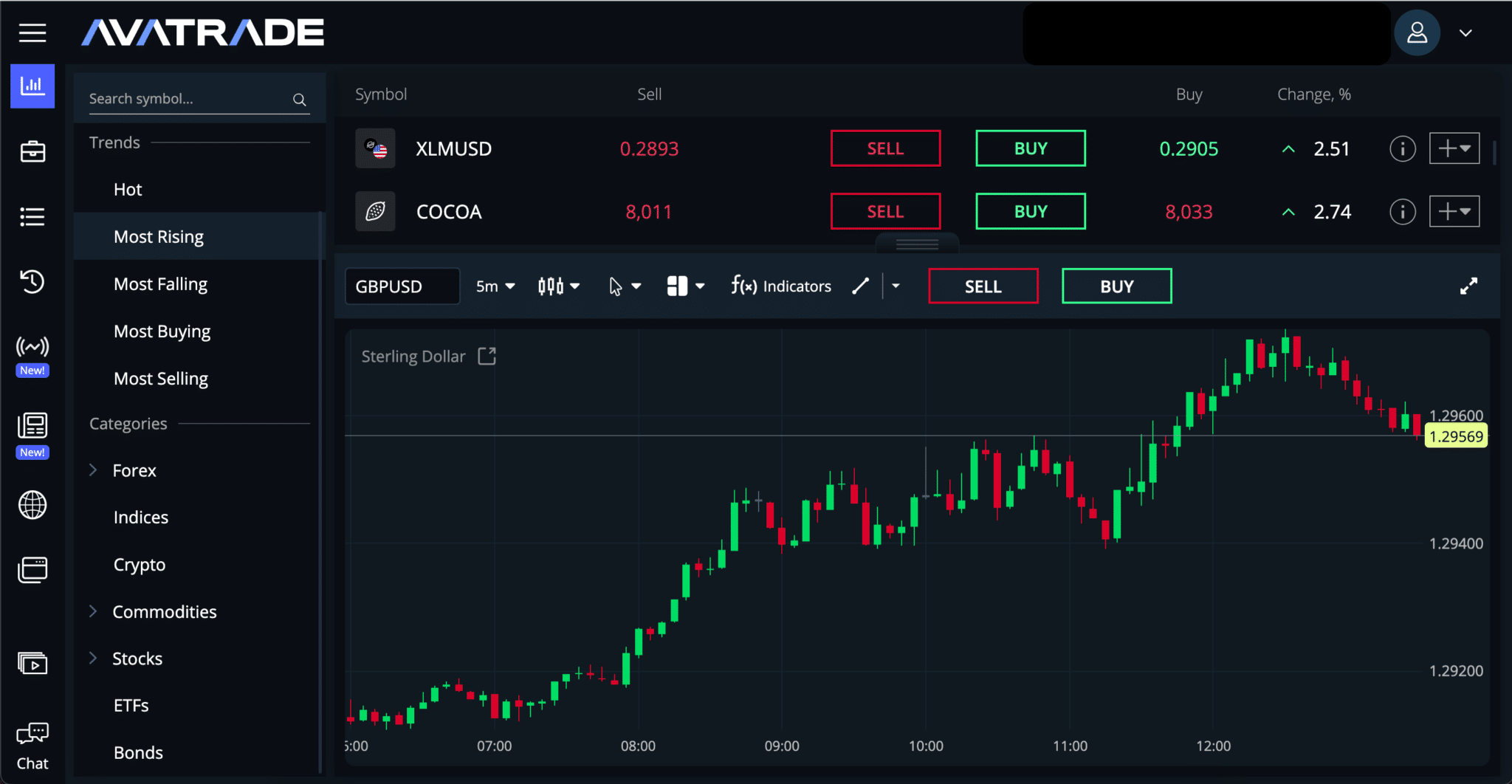
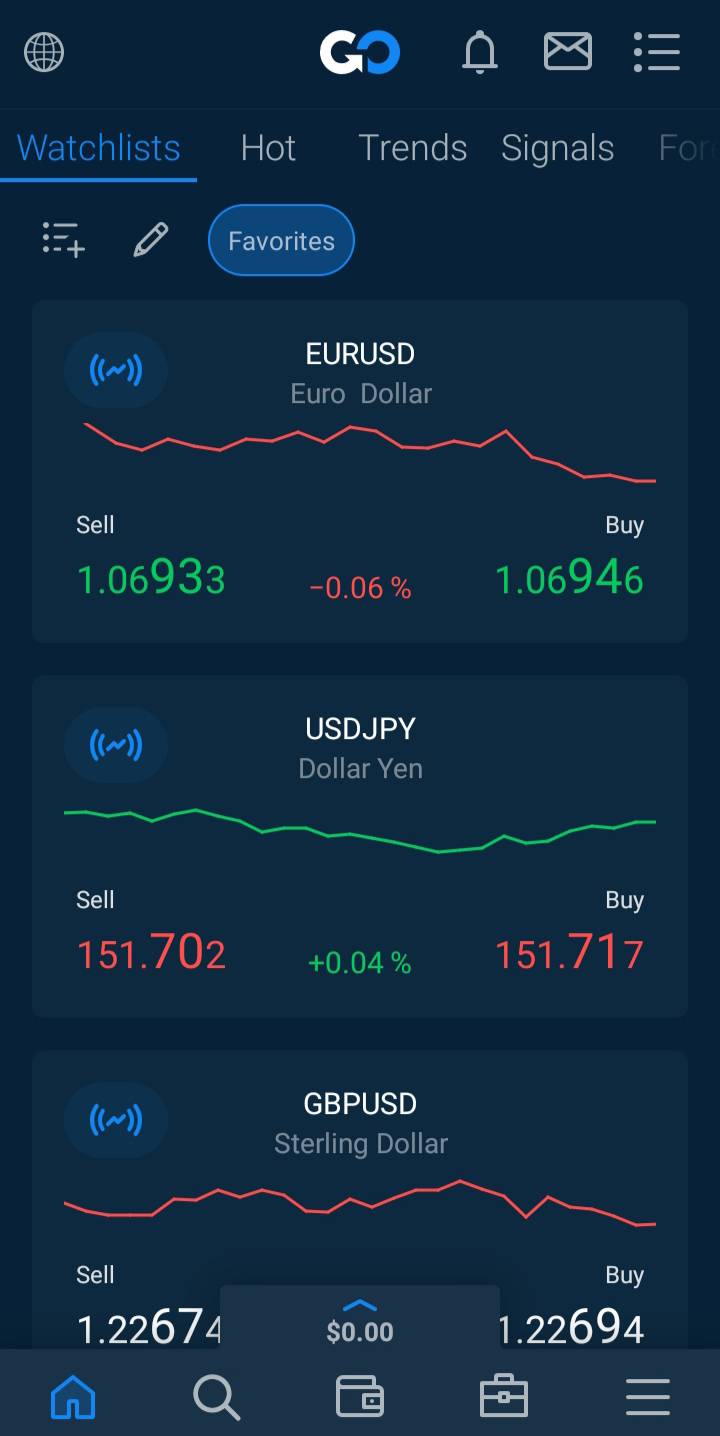
Exclusive mobile app built for seamless social trading—follow, copy, and interact with pros in real-time
AvaTrade offers DupliTrade and ZuluTrade, giving traders a broader range of top-rated signal providers to follow
Regulated by ASIC and others—ideal for Tanzanian traders seeking credibility and account protection
Both AvaTradeGO and AvaSocial offer an intuitive UI, making it easy for first-time investors to get started
AvaSocial lacks deep analytics compared to MT4-based copy systems
Copying is done via third-party or signals, which may confuse newer users
AvaTrade | Best for: Tanzanian traders seeking hands-off investing with access to multiple social trading platforms

FxScouts
 YouTube
Select another broker to another broker to compare features, fees, and platforms side by side.
0.0 pips
FSA-Seychelles, FSC, DFSA, FSCA, FCA, CySEC
USD 0
HFM Trading App, MT5, MT4
1000:1
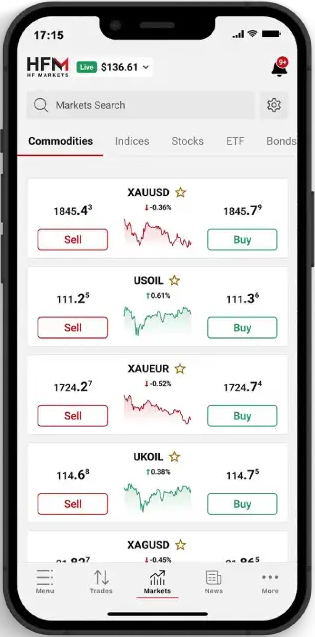
Allows followers to copy trades from strategy providers with just a few clicks—no third-party platforms needed
Accessible for Tanzanian traders looking to start small
Strategy providers only earn when followers are profitable—aligns interests and promotes responsible trading
Easy monitoring and control over trades copied, allocation percentage, and provider performance
HFcopy doesn’t have as many signal providers compared to DupliTrade or Myfxbook
No HFcopy option for MT5 users

HFM | Best for: Beginners in Tanzania looking for simplified, in-house copy trading with flexible controls
FxScouts
YouTube
Select another broker to another broker to compare features, fees, and platforms side by side.
0 pips
CMA, BaFin, ASIC, FCA, CySEC
USD 0
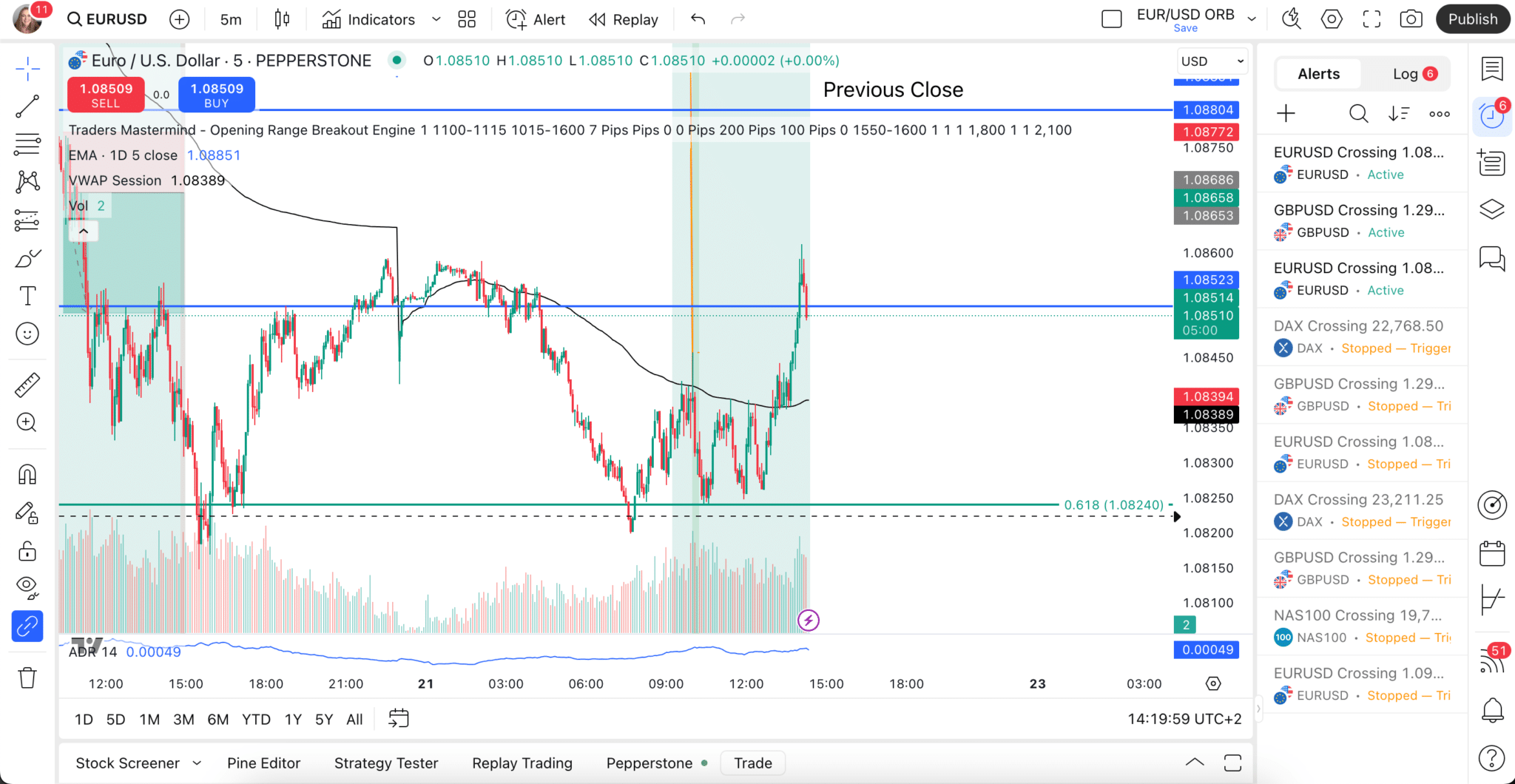
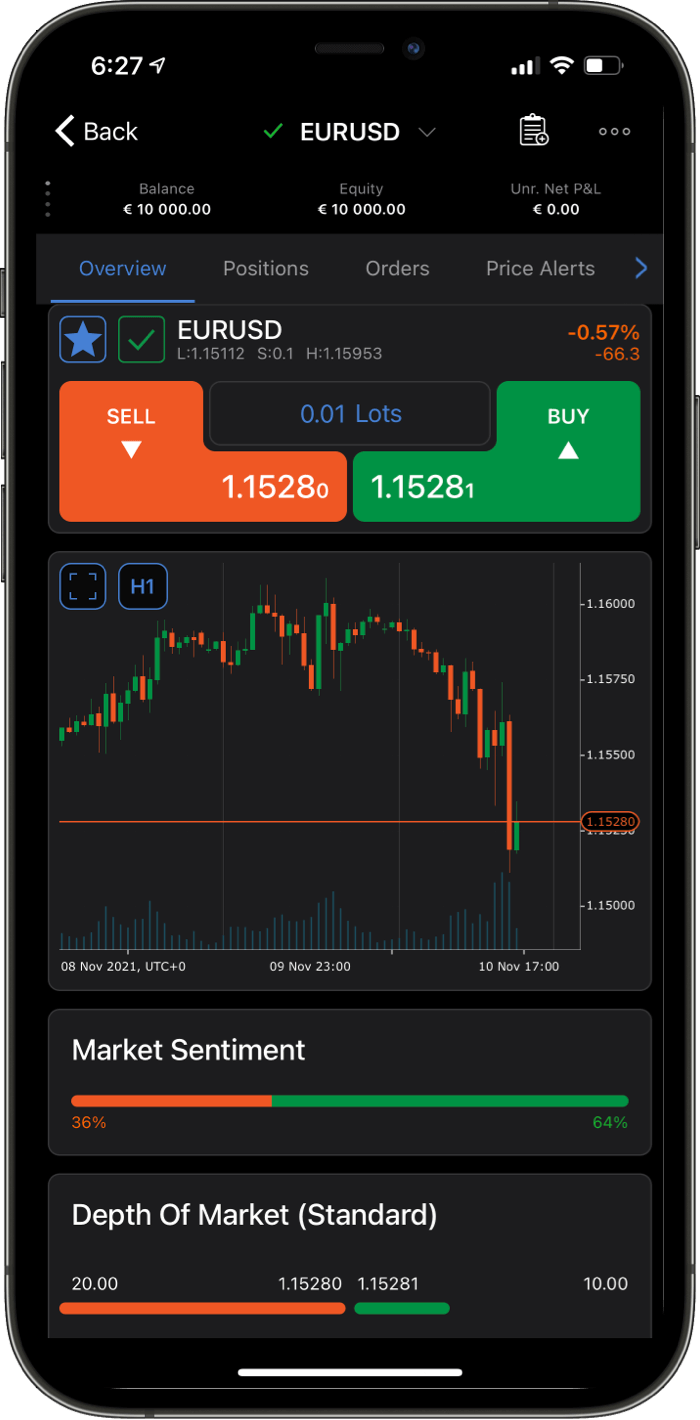
Pepperstone Platform, TradingView, cTrader, MT5, MT4
400:1
Choose from multiple leading copy trading networks across MT4/MT5
Perfect for followers wanting institutional-grade pricing while copying trades
Average execution speeds below 30 ms—essential for signal accuracy
Allows you to assess signal provider performance across multiple metrics
Requires linking with third-party services for copy trading
Advanced settings and tools may overwhelm first-time users
Pepperstone | Best for: Tanzanian traders who want high-performance copy trading integrated with advanced platforms
FxScouts
YouTube
Select another broker to another broker to compare features, fees, and platforms side by side.
0.0 pips
FSCA, ASIC, CySEC
AUD 100
TradingView, cTrader, MT5, MT4
500:1
Seamlessly copy trades via industry-standard platforms while retaining control
Perfect for copying scalping and high-frequency strategies
View drawdown, ROI, number of trades, and more before copying
Minimize execution delays when copying high-speed strategies
FP Markets relies on third-party integrations for social trading
Fewer tutorials or guides for first-time copiers
FP Markets | Best for: Traders who prefer flexibility—manual trading with copy options via MT4 and advanced analytics
FxScouts
YouTube
Select another broker to another broker to compare features, fees, and platforms side by side.
0.1 pips
CMA, FSA-Seychelles, FSC, B.V.I FSC, FSCA
USD 3
Exness Terminal, MT5, MT4
Unlimited:1
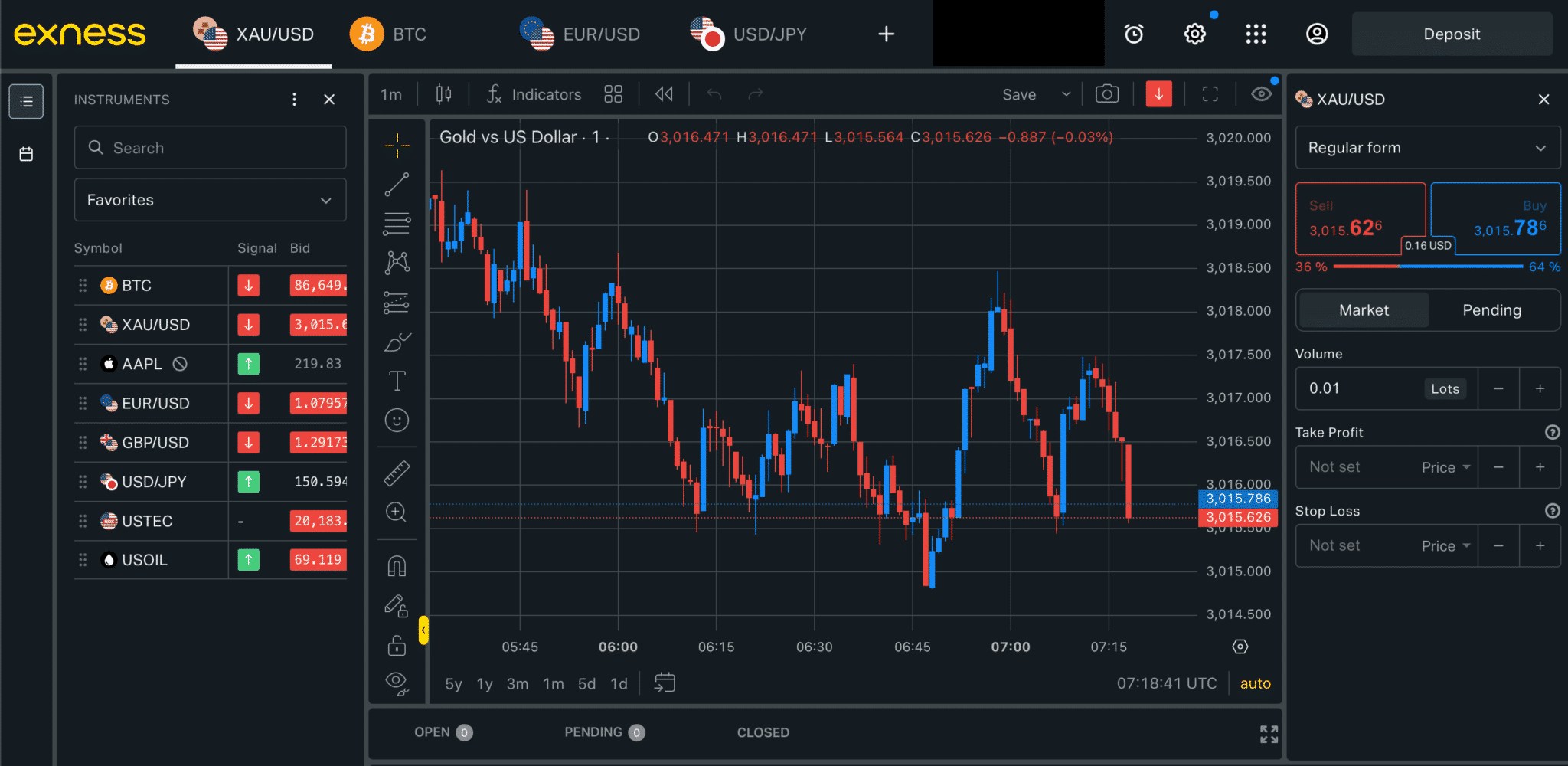
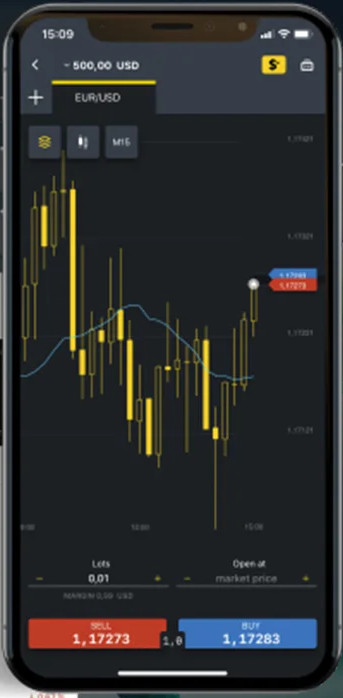
Mobile-first app purpose-built for following and copying trades with just a tap
Unlike most brokers, Exness doesn’t charge a fee to follow strategies—profit split only if you earn
Each provider has verified performance, risk score, and ROI data—ideal for informed decision-making
You can enter or exit strategies immediately, no lock-in periods
You can't copy trades directly via MT4 or MT5
May limit strategy diversity for users seeking niche approaches
Exness | Best for: Tanzanian users seeking a seamless mobile copy trading app with zero cost to follow strategies
FxScouts
YouTube
Select another broker to another broker to compare features, fees, and platforms side by side.


Before recommending a copy trading broker, we conduct a detailed verification and review process.
When choosing the best copy trading brokers, we:
Over the last few years, Tanzania has seen an enormous rise in copy trading adoption, heightened further during the COVID-19 pandemic. According to Google data, searches in Tanzania for “copy trading” surpassed that of developed nations, such as the US, by a whopping 800%. By way of explanation, Tanzania faces enormous economic challenges, and for those looking to supplement their income, copy trading provides a relatively simple way to start Forex trading.
However, the allure of making high returns in a short period, plus the absence of stringent regulations in the past, has allowed scam brokers to abound.
Copy trading is a type of online trading that allows individuals to automatically copy the positions opened and managed by another selected trader, known as a strategy provider. This innovative approach allows users to mirror the trades and strategies of experienced and successful traders.
With copy trading, each time the strategy provider makes a trade, the same trade is executed in the copier’s account. The copier does not need to do anything manually; everything is handled automatically by the trading platform.
This trading method can benefit beginners who are still learning about the markets and developing their own trading strategies. It also serves as a time-saving tool for experienced traders who may not have the time to follow the markets as closely as they would like.
The copy trading process typically involves just a few clicks to choose a trader to copy, after which the system takes care of the rest. The trades are copied proportionally, meaning that even if you have a smaller account, you can still follow the trades of a strategy provider with a much larger account.
However, while copy trading can be beneficial, it’s crucial to remember that all trading involves risk. It’s possible to lose money and make it, and the past performance of a trader is not necessarily indicative of their future results. Therefore, it’s always wise to do your due diligence, understand the trader’s strategy, and consider the level of risk you are comfortable with before starting copy trading.


While social and copy trading leverage online community-based platforms, they differ substantially in their processes and levels of engagement.
Social trading is a holistic approach that encourages direct interaction between traders within an online network. Much like a traditional social media network, users can follow others, communicate, share insights, and discuss trading strategies. Some platforms also facilitate live feeds where traders can post updates about their trading activities, insights about market conditions, or explain their strategy’s rationale.
By providing a platform for discussion and direct observation, social trading serves as a learning ground where less experienced traders can learn from seasoned ones. Social trading is not just about replicating trades; it’s about discussing why specific strategies are employed, interpreting market events with your peers, and building your trading competence over time.
Copy trading, on the other hand, is a more passive form of trading. Here, traders can select one or more experienced traders to follow. The system then automatically replicates the strategy provider’s trades into the copier’s account. This feature eliminates the need for continuous market monitoring and manual execution of trades, as it’s all handled by the platform.
The primary benefit of copy trading is its simplicity and convenience. You essentially delegate the trading decisions and actions to the trader you’re copying. This approach can be advantageous if you lack trading experience, struggle to keep up with market fluctuations, or simply don’t have the time to trade actively.
However, copy trading does not involve the same level of engagement and learning opportunities as social trading. You follow the trader’s actions but may not necessarily understand the reasoning behind those decisions unless the copied trader provides these insights on the platform.
Both social and copy trading offer unique advantages and cater to different trading styles. Your choice between the two (or a blend of both) would depend on your trading knowledge, available time, risk appetite, and interest in actively engaging with the trading community.
One of the most crucial steps in copy trading is the selection of a trader to follow. Here’s how you can make an informed choice:
Step 1: Sign Up: Register on your chosen platform by providing the necessary information. This process may include verifying your identity.
Step 2: Familiarise Yourself with the Platform: Copy-trading is available via signals on the popular MT4 and MT5 trading platforms. The cTrader trading platform has a more accessible copy trading function called cTrader copy. There are also some dedicated copy trading platforms like Zulutrade, Duplitrade and Myfxbook Autotrade, though these require a subscription fee. Whichever platform you use to copy trade, you will need to spend time exploring the platform and its features.
Step 3: Choose a Trader to Follow: Utilize the process described in the section above to select a trader whose strategy aligns with your investment goals.
Step 4: Begin Trading: You can start by either copying trades or engaging in discussions within the trading community. It’s recommended to start with a smaller investment and gradually increase it as you gain experience and confidence.


Find answers to common questions about copy trading, including legality and the minimum investment required.
The minimum investment varies across platforms. For instance, on some platforms, you can start copy trading with 200 USD, while others may allow you to start with as little as 1 USD.
Yes, copy trading is legal in Tanzania. Copy trading and social trading are considered self-directed, as traders who use this function always select the trading system to copy. Prior to the explosion in social trading, copy trading was only available via a managed account. Managed accounts require a power of attorney and a large account balance and so are unpopular amongst typical retail traders.
If the trader you’re copying decides to stop trading, your account will not open any new trades. You will then need to select a new trader to follow.
Yes, you can stop copying a trader at any time, and you should continuously monitor your trades’ performance and make adjustments as needed.
Although the trades are automatically replicated from the trader you’re copying, you still retain control over your own account. You can manually close trades, pause copy trading, or stop copying a trader at any time.
Yes, most platforms allow you to copy multiple traders simultaneously. This can be beneficial as it allows you to diversify your portfolio across different trading strategies.
Many trading platforms offer a demo or practice account where you can use virtual money to copy trades. This can be a good way to understand how copy trading works and test out different traders’ strategies before investing real money.
Costs can vary between platforms. Some platforms charge a fixed fee, some charge a percentage of profits, and others may apply spreads on trades. Always check the cost structure of your chosen platform.
Trades are usually copied in proportion to the amount of money you have allocated to copy a particular trader. For example, if the copied trader opens a trade using 10% of their balance, then a trade for 10% of the amount you allocated for copying them will be opened in your account.
If the trader you’re copying is not performing as expected, it’s essential to reassess your decision. You might choose to stop copying them and select another trader, or you might decide to pause copying and monitor their performance for a while. Remember, it’s crucial to regularly review the performance of the traders you’re copying.
On some platforms, you can communicate with other traders, ask questions, and share strategies. This feature is more commonly available on social trading platforms, and beginners may find it beneficial as it allows you to learn more about trading strategies and market conditions.
Although copy and social trading might seem overwhelming initially, with the right knowledge and approach, you can leverage the experience and strategies of successful traders. While this opportunity offers an expedited learning curve for beginners and a chance to diversify strategies for seasoned traders, it’s crucial to remember that all trading involves risk. Just because a trader has been successful previously does not mean they will continue to make a profit, so never trade with money that you cannot afford to lose.
When selecting a copy trading broker, prioritising regulation is crucial as it safeguards your funds. Evaluate the associated costs if the broker’s copy-trading service uses platforms such as Zulutrade, Duplitrade, or Myfxbook. Opt for a system that provides comprehensive metrics of traders you could emulate, including risk indicators and profitability. Ensure your broker offers a broad range of traders to follow, ensuring diverse choices. It’s also essential to have a system that enables trade filtering based on your risk and return preferences, offering flexibility. Avoid brokers that lock you into copy trading for a set period. You should be able to stop copying trades instantly. Be aware of the fee structure, whether it’s a flat, success-based fee or a broker subscription; all costs should be clear and upfront. Lastly, consider the specific broker accounts that offer copy trading, their required minimum deposit, and their trading costs before committing.
Explore more resources that fellow traders find helpful! Check out these other guides to enhance your forex trading knowledge and skills. Whether you’re searching for the best brokers, educational material, or something more specific, we’ve got you covered.

Discover the top Forex brokers in Tanzania. Compare top platforms, fees and features to make an informed trading choice.

Compare the best Forex trading platforms for 2026, including MT4, MT5, cTrader, and TradingView. Find the right tools to enhance your trading experience.

What is Forex trading and how does it work? An easy-to-read guide including how to trade, and how to choose a reliable broker.
60-90% of retail traders lose money trading Forex and CFDs. You should consider whether you understand how CFDs and leveraged trading work and if you can afford the high risk of losing your money. We may receive compensation when you click on links to products we review. Please read our advertising disclosure. By using this website, you agree to our Terms of Service.
Partner Manager and Financial Writer
Chris Cammack is partner manager and senior financial writer at FxScouts, specialising in broker relations and forex market analysis. As the former Head of Content (2019–2024), he set editorial standards for all content published at FxScouts, including broker reviews, broker comparison pages and education.
With over a decade of experience in editorial management and partner relations, Chris builds and maintains our relationships with our partners to provide the best Forex trading experience for our users.
He also co-hosts the “Let’s Talk Forex” podcast with Alison Heyerdahl, where he explores trading strategies, industry news, and macroeconomic trends to help traders navigate the markets with confidence.
Head of Content
Financial Writer




Welcome to the FxScouts community! We’re thrilled to have you on board. You’ve successfully signed up for our forex newsletter, where you’ll receive expert insights, market analysis, and the latest news straight to your inbox.
Get ready to stay ahead of the curve with our regular updates designed to help you make informed trading decisions.
Happy trading!
The FxScouts Team